
CO2 Inflator Myths Debunked: Ultimate Guide!

Have you ever seen a bike racer fix a flat tire super fast? They might use a CO2 inflator. But do you know how these gadgets really work? Some people think they are magic. Others worry they might break. Today, we will explore CO2 inflator myths debunked. Are they safe? Are they reliable? Let’s find out the truth!
CO2 inflators can seem a bit scary. They use compressed gas to fill tires. Some cyclists worry about over-inflation. Others wonder if the gas leaks out quickly. We’re going to bust those myths. Get ready to learn some cool facts. We’ll show you how to use them safely. You’ll also see why they are so popular.
Maybe you’ve heard some strange stories about CO2 inflators. Perhaps a friend said they are only for racers. Or maybe someone warned they explode easily. Forget those stories! We’re diving deep into the facts. This article will help you understand everything. Prepare to have your CO2 inflator myths debunked.
Key Takeaways
- CO2 inflators are a fast and easy way to inflate bike tires on the go.
- Many common beliefs about CO2 inflator myths debunked are simply not true.
- Using the correct technique ensures safety and prevents damage to your tires.
- Proper storage and maintenance of inflators and cartridges is important.
- Understanding the limitations of CO2 can help riders make better choices.
CO2 Inflator Myths Debunked: An Overview

CO2 inflators are super handy for cyclists. They quickly fill tires after a flat. But lots of people have the wrong idea about them. Some think they are only for pros. Others worry about them being unsafe. So, what’s the real story? We need to debunk these myths. Knowing the truth helps you use them right. It also makes cycling safer and more fun. CO2 inflators use small cartridges filled with compressed gas. This gas rushes into your tire when you trigger the inflator. This gets you back on the road fast. But you need to understand how they work. Then you can avoid common mistakes. Let’s dive into some of the biggest misconceptions about them. It is time to get cycling smarter!
- CO2 inflators are only for racing.
- They are dangerous and can explode.
- CO2 leaks out of tires too quickly.
- All CO2 cartridges are the same.
- Using a CO2 inflator is too complicated.
Let’s explore why these ideas are wrong. First, CO2 inflators are great for all cyclists. Not just racers! They are useful for quick repairs on any ride. Second, they are safe if used correctly. Follow the instructions, and you’ll be fine. Third, CO2 does leak faster than air. But it’s enough to get you home. Fourth, cartridges come in different sizes. Choose the right one for your tire. Finally, using an inflator is easy. A little practice makes it simple. Knowing these facts helps avoid problems. It also makes CO2 inflators a reliable tool. So, keep riding and stay informed!
Fun Fact or Stat: The first CO2 inflators were developed for military use before being adopted by cyclists!
Are CO2 Inflators Only for Pros?
Have you ever watched a bike race? The racers fix flats so fast! You might think CO2 inflators are only for them. That’s not true! Anyone can use them. They are easy to learn. Imagine you’re on a long ride. Suddenly, your tire goes flat. With a CO2 inflator, you can fix it quickly. You don’t need to pump for ages. This is why they are great for everyone. Even if you’re not racing, they save time and effort. Plus, they are small and easy to carry. So, don’t think they are just for pros. They’re a handy tool for all cyclists.
Can CO2 Inflators Explode?
Do you worry about things blowing up? Some people think CO2 inflators are risky. They imagine the cartridge might explode. But that’s very unlikely! CO2 cartridges are made to handle pressure. They won’t explode unless they are damaged. Always store them properly. Keep them away from high heat. Also, follow the instructions when using them. This will keep you safe. If you’re careful, there’s no need to worry. CO2 inflators are designed to be safe. So, you can use them without fear.
Does CO2 Leak Out Too Quickly?
Have you heard that CO2 leaks from tires fast? This is partly true. CO2 molecules are smaller than air molecules. This means they can escape through the tire more easily. But don’t worry too much! A CO2 fill will last long enough to get you home. It’s a good idea to refill with air later. This will keep your tire properly inflated. So, CO2 does leak faster. But it’s still useful for quick fixes. Just remember to check your tire pressure later. Then you can enjoy your ride without worry.
Understanding Common CO2 Inflator Problems
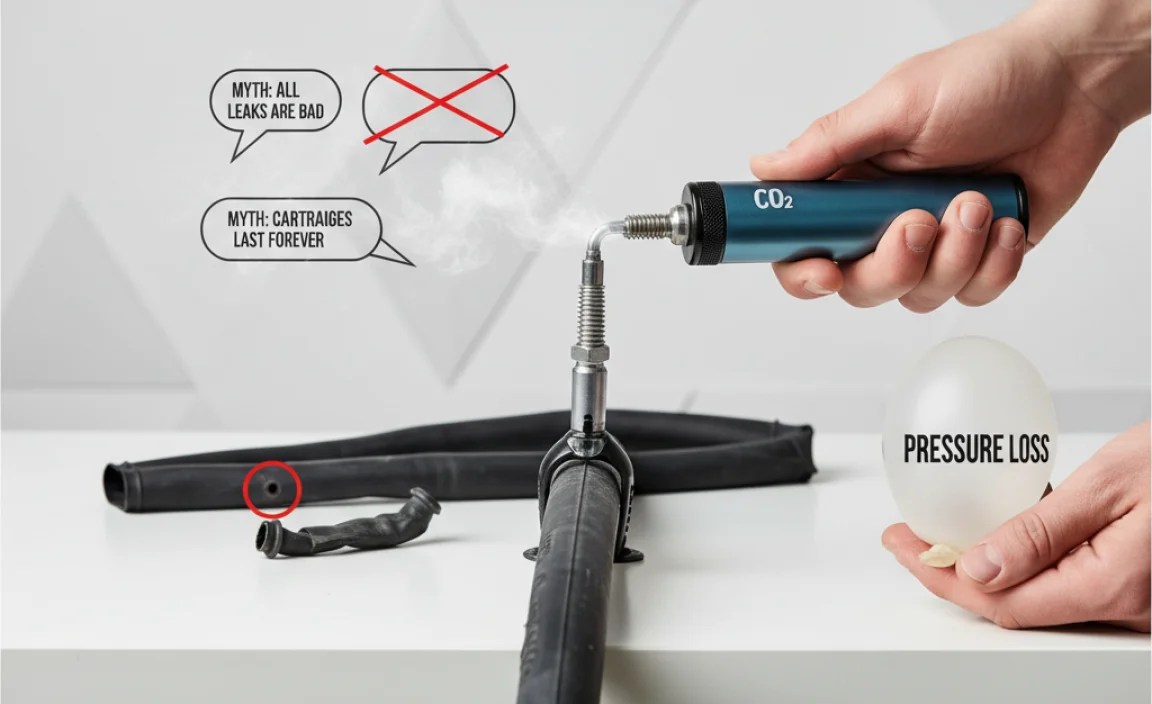
CO2 inflators are not perfect. Sometimes, things can go wrong. But knowing the common problems helps. It also helps you avoid them. One problem is freezing your fingers. The CO2 gets very cold when released. This can make the inflator icy. Wearing gloves can help. Another problem is over-inflation. It’s easy to put too much CO2 in the tire. Use short bursts and check the pressure often. Also, make sure the inflator is compatible with your valve. Some only work with Schrader valves. Others work with Presta valves. Knowing these issues will make you a CO2 inflator pro. You’ll be able to fix flats quickly and safely.
- Freezing fingers during inflation.
- Over-inflating the tire.
- Incompatible valve types.
- Stripping the valve threads.
- Forgetting to carry extra cartridges.
Let’s look at these problems more closely. Freezing fingers can be avoided with gloves. Over-inflation is prevented by using short bursts. Check your valve type before you start. Stripping threads happens when you force things. Be gentle! Always carry extra cartridges. Running out is frustrating. By being aware of these issues, you can prepare. CO2 inflators are great tools. But like any tool, they require some care. A little practice makes perfect. So, keep learning and keep riding.
Fun Fact or Stat: Rapid CO2 release can drop the inflator’s temperature below -20°F (-29°C)!
What About Freezing Fingers?
Have you ever held something super cold? It can really hurt! CO2 inflators can do this. When the gas comes out, it gets very cold. This can freeze your fingers. But there’s an easy fix. Wear gloves! Gloves protect your skin from the cold. Some inflators even have foam sleeves. These also help keep your hands warm. So, don’t let the cold scare you. Gloves are a simple solution. With gloves, you can use your CO2 inflator comfortably. Then you can get back to riding quickly.
How to Avoid Over-Inflation?
Do you ever pump up a balloon too much? It pops! The same can happen with a tire. Over-inflation can damage it. So, how do you avoid this? Use short bursts of CO2. Check the tire pressure often. Many inflators have a control valve. This lets you control the flow of gas. Also, know your tire’s pressure limits. They are printed on the sidewall. By being careful, you can inflate safely. This will keep your tires in good shape. Then you can enjoy smooth rides.
What About Valve Compatibility?
Have you ever tried to plug something into the wrong socket? It doesn’t work! The same is true with valves. Bikes use two main types: Schrader and Presta. Schrader valves are like car tire valves. Presta valves are thinner and have a small nut. Make sure your inflator matches your valve type. Some inflators work with both. Others only work with one. Using the wrong inflator can damage the valve. So, check before you start. This will save you trouble and keep you riding.
CO2 Cartridge Myths Debunked: Size and Pressure

CO2 cartridges come in different sizes. Each size has a different pressure. Some people think all cartridges are the same. That’s not true! Using the wrong size can cause problems. Too little CO2, and your tire won’t fill enough. Too much, and it might burst. Most road bikes use 16-gram cartridges. Mountain bikes might need 20 or 25-gram cartridges. Check your tire size before you choose. Also, remember that temperature affects pressure. Cold weather lowers pressure. Hot weather raises it. Knowing these things will help you choose wisely. You’ll get the right pressure every time. This keeps you safe and riding smoothly.
- Cartridge size affects tire pressure.
- Temperature changes CO2 pressure.
- Not all cartridges are refillable.
- Old cartridges can leak.
- Some cartridges are better quality.
Let’s dive deeper into these points. The size of the cartridge directly affects the pressure. A bigger cartridge means more gas. Temperature plays a big role too. Cold weather lowers the pressure inside. Not all cartridges can be refilled. Most are single-use. Old cartridges might leak over time. So, use them within a reasonable time. Quality also matters. Some brands are more reliable. They deliver more consistent pressure. Keep these factors in mind when you buy. This ensures you get the best performance from your CO2 inflator.
Fun Fact or Stat: A 16-gram CO2 cartridge can inflate a 700x23c road bike tire to approximately 120 PSI!
Does Cartridge Size Matter?
Imagine trying to fill a big glass with a small pitcher. It would take forever! CO2 cartridges are similar. If the cartridge is too small, your tire won’t fill properly. A bigger tire needs a bigger cartridge. Road bikes usually need 16-gram cartridges. Mountain bikes often need 20 or 25-gram cartridges. Check your tire size before choosing. Using the right size ensures proper inflation. This keeps you safe and comfortable. So, size does matter! Pick the right cartridge for your tire.
How Does Temperature Affect Pressure?
Have you ever noticed a basketball feels different in summer and winter? Temperature affects pressure! The same is true for CO2 cartridges. Cold weather lowers the pressure inside. Hot weather raises it. This means a cartridge might not work as well in winter. In summer, it might inflate the tire too much. Keep this in mind when you’re riding. On cold days, you might need a slightly bigger cartridge. On hot days, be careful not to over-inflate. Temperature plays a big role. So, adjust your use accordingly.
Are All Cartridges Refillable?
Do you like to reuse things? It’s good for the environment! But not all CO2 cartridges can be refilled. Most are designed for single use. Once you use them, they are empty. Trying to refill them can be dangerous. The pressure is very high. It’s best to buy new cartridges when you need them. Some companies make refillable air cartridges. But these are different from CO2 cartridges. So, stick to single-use cartridges for safety. Then you can recycle the empty ones.
Safe CO2 Inflator Use: Step-by-Step Guide

Using a CO2 inflator safely is important. It’s not hard, but you need to follow the right steps. First, protect your hands. Wear gloves to avoid freezing. Second, attach the inflator to the valve. Make sure it’s secure. Third, release the CO2 in short bursts. Check the tire pressure often. Fourth, don’t over-inflate. Check the maximum pressure on the tire. Fifth, dispose of the empty cartridge properly. These steps will help you avoid accidents. They’ll also keep your tires in good condition. With practice, you’ll become a CO2 inflator expert.
| Step | Action | Why |
|---|---|---|
| 1 | Wear Gloves | Prevents freezing fingers. |
| 2 | Attach Inflator | Ensures a good seal. |
| 3 | Short Bursts | Avoids over-inflation. |
| 4 | Check Pressure | Keeps tire safe. |
| 5 | Dispose Properly | Protects the environment. |
Let’s break down these steps further. Wearing gloves is crucial. The CO2 gets very cold. Attaching the inflator securely prevents leaks. Short bursts of gas let you control the pressure. Checking the pressure avoids over-inflation. Disposing of the cartridge properly is good for the planet. By following these steps, you’ll be safe. You’ll also be efficient. CO2 inflators are great tools. But they need to be used with care. A little knowledge goes a long way. So, keep learning and stay safe.
Fun Fact or Stat: CO2 inflators can fill a tire much faster than a hand pump, often in under 30 seconds!
Protect Your Hands First
Have you ever touched ice for too long? It’s not fun! CO2 inflators can get very cold. The gas freezes as it comes out. This can hurt your fingers. So, always wear gloves. Gloves protect your skin from the cold. Some inflators come with foam sleeves. These also help keep your hands warm. Don’t skip this step. Protecting your hands is important. It makes the whole process more comfortable. With gloves, you can focus on fixing your tire.
Use Short Bursts of CO2
Imagine filling a glass of water too quickly. It spills! Over-inflation is like that. It can damage your tire. So, use short bursts of CO2. This gives you more control. Check the tire pressure often. Many inflators have a control valve. This lets you regulate the flow of gas. If you add too much, stop and let some out. Short bursts are the key to safe inflation. This will keep your tires in good shape.
Check the Tire Pressure
Do you know how much air your tires need? It’s important to check. The correct pressure is printed on the tire. It’s usually in PSI (pounds per square inch). Use a tire pressure gauge to check. Inflate to the recommended pressure. Too little pressure can cause flats. Too much pressure can make the tire burst. Checking the pressure ensures a safe ride. This will also make your bike easier to pedal. So, take a moment to check. It’s worth the effort.
CO2 Inflator Maintenance: Keeping It Ready

Like any tool, CO2 inflators need care. Proper maintenance keeps them working well. Check the inflator for damage. Look for cracks or leaks. Clean the threads regularly. Dirt can make it hard to attach. Store the inflator in a dry place. Moisture can cause rust. Also, check your CO2 cartridges. Make sure they are not expired. Old cartridges might not work as well. By taking good care of your inflator, you’ll be ready. You’ll be able to fix flats quickly. This keeps you riding smoothly and safely.
- Check for damage and leaks.
- Clean the threads regularly.
- Store in a dry place.
- Check cartridge expiration dates.
- Replace worn parts.
Let’s talk more about these points. Check your inflator often. Look for any signs of wear. Cleaning the threads ensures a good connection. Store it in a dry place to prevent rust. Check the dates on your cartridges. Old ones might not work. Replace any parts that are worn. This will keep your inflator working like new. A little maintenance goes a long way. It ensures your CO2 inflator is always ready. Then you can ride with confidence.
Fun Fact or Stat: Storing CO2 cartridges in a cool, dry place can extend their shelf life significantly!
Check for Damage and Leaks
Have you ever seen a leaky faucet? It wastes water! A leaky CO2 inflator wastes gas. Check your inflator for damage. Look for cracks in the plastic. Check the threads for wear. If you see any damage, replace the inflator. Leaks can make it hard to fill your tire. They can also waste CO2. A good inflator is reliable. It will work when you need it. So, check it often.
Clean the Threads Regularly
Imagine trying to screw a nut onto a dirty bolt. It’s hard! The same is true for CO2 inflators. Dirt can get into the threads. This makes it hard to attach the cartridge. Clean the threads regularly. Use a small brush to remove dirt. A clean inflator works better. It will attach easily. This makes fixing flats quicker and easier. So, keep those threads clean!
Store in a Dry Place
Do you know what happens to metal in the rain? It rusts! Rust can damage your CO2 inflator. Store it in a dry place. This will prevent rust. A small bag can also help. Keep it away from moisture. A dry inflator lasts longer. It will work reliably. So, protect it from the elements. This will keep it in good condition.
Alternatives to CO2 Inflators
CO2 inflators are great, but they aren’t the only option. There are other ways to inflate your tires. Hand pumps are a classic choice. They are reliable and don’t need cartridges. Mini-pumps are small and easy to carry. Floor pumps are great for home use. They make it easy to reach high pressures. Tubeless inflators are another option. They use a burst of air to seat tubeless tires. Each option has its pros and cons. Consider your needs when choosing. CO2 inflators are fast. But pumps are reusable. Choose what works best for you.
- Hand pumps.
- Mini-pumps.
- Floor pumps.
- Tubeless inflators.
- Electric pumps.
Let’s compare these options. Hand pumps are simple and reliable. But they take time and effort. Mini-pumps are portable. But they can be hard to use. Floor pumps are efficient. But you can’t take them on rides. Tubeless inflators are great for tubeless tires. Electric pumps are convenient. But they need batteries. CO2 inflators are fast and easy. But you need cartridges. Think about what’s most important to you. Then choose the best option for your needs. There are many ways to keep your tires inflated!
Fun Fact or Stat: Some professional cyclists carry both a CO2 inflator and a mini-pump for redundancy during races!
What About Hand Pumps?
Have you ever used a hand pump to inflate a basketball? It takes some effort! Hand pumps for bikes work the same way. They are reliable and don’t need cartridges. You can use them again and again. But they take time and energy. Pumping can be tiring. Especially after a long ride. Still, hand pumps are a good backup. They are always ready when you need them. So, consider carrying one. It’s a reliable option.
Are Mini-Pumps a Good Choice?
Do you like things that are small and easy to carry? Mini-pumps are just that! They are compact and lightweight. You can easily fit them in your bag. But they can be harder to use than floor pumps. It takes more effort to reach high pressures. Still, they are a good option for emergencies. They are better than nothing! So, think about getting a mini-pump. It’s a handy tool to have.
When to Use a Floor Pump?
Have you ever seen a bike shop? They always have floor pumps! Floor pumps are great for home use. They make it easy to reach high pressures. They are also more efficient than hand pumps. You can inflate your tires quickly and easily. Floor pumps are not portable. You can’t take them on rides. But they are perfect for pre-ride checks. So, get a floor pump for your home. It will make your life easier.
Summary
CO2 inflators are a fast and easy way to fix flat tires. Many myths surround their use. We have debunked these myths. They are not just for pros. They are safe if used correctly. They don’t always explode. CO2 does leak faster than air. But it’s enough to get you home. Cartridges come in different sizes. Maintenance is simple. Other options exist, like hand pumps. Knowing the facts helps you use CO2 inflators safely. It also makes cycling more enjoyable.
Conclusion
CO2 inflators are handy tools for cyclists. They offer a quick way to inflate tires on the road. We have explored common CO2 inflator myths debunked. They are not as scary as some people think. With proper use, they are safe and efficient. Always follow the instructions. Wear gloves and check the pressure. Choose the right cartridge size. With a little practice, you’ll be a pro. So, don’t let the myths scare you. Embrace the convenience of CO2 inflators. Happy riding!
Frequently Asked Questions
Question No 1: Are CO2 inflators really safe to use?
Answer: Yes, CO2 inflators are generally safe to use. However, you need to follow some basic safety guidelines. Always wear gloves to protect your hands from the cold. Ensure the inflator is properly attached to the valve before releasing the CO2. Use short bursts to avoid over-inflation. Never exceed the maximum pressure recommended for your tire. By following these simple steps, you can use a CO2 inflator safely and efficiently. They are designed to be safe when used as directed, so read the instructions carefully before your first use.
Question No 2: How do I choose the right size CO2 cartridge for my tire?
Answer: Choosing the right size CO2 cartridge depends on your tire size. Road bikes typically use 16-gram cartridges. Mountain bikes may require 20 or 25-gram cartridges. Check your tire’s specifications. It will tell you the recommended pressure. Use a cartridge that can reach that pressure. It’s always better to slightly over-estimate. You can always release some air if needed. Using the wrong size can lead to under-inflation. It can also lead to over-inflation, which is dangerous. So, check before you ride!
Question No 3: What should I do if my CO2 inflator freezes up during use?
Answer: Freezing is a common issue with CO2 inflators. The rapid release of gas causes the inflator to get very cold. This can freeze your fingers. Always wear gloves to protect your hands. Some inflators come with foam sleeves. These also help. If the inflator freezes, stop using it for a moment. Let it warm up slightly before continuing. Also, make sure you are using short bursts of CO2. This helps to minimize the freezing effect. Wearing gloves is the best way to prevent discomfort.
Question No 4: How long will CO2 stay in my tire compared to regular air?
Answer: CO2 molecules are smaller than air molecules. This means they escape from tires more quickly. A tire filled with CO2 will lose pressure faster than one filled with air. It’s usually enough to get you home safely. Replace the CO2 with regular air as soon as possible. This will ensure your tire stays properly inflated. Think of CO2 as a temporary fix. Air is the long-term solution. So, check your pressure and refill when you get home.
Question No 5: Can I reuse CO2 cartridges, or are they single-use only?
Answer: Most CO2 cartridges are designed for single use only. They cannot be refilled. Trying to refill them can be dangerous. The pressure is very high. It’s best to buy new cartridges when you need them. Some companies make refillable air cartridges. But these are different from CO2 cartridges. So, stick to single-use cartridges for safety. Recycle the empty ones properly. This helps protect the environment. Always follow the manufacturer’s instructions.
Question No 6: Are there any environmental concerns associated with using CO2 inflators?
Answer: Yes, there are some environmental concerns. CO2 is a greenhouse gas. Releasing it into the atmosphere contributes to climate change. However, the amount of CO2 released from a small cartridge is very small. It is much less than a car emits. Still, it’s good to be mindful. Consider using alternative methods like hand pumps. Also, recycle your empty cartridges properly. This helps reduce the environmental impact. Being responsible is important.


