
How to Avoid Wasting CO2 When Inflating: Smart Tips

Did you know that inflating things can hurt the planet? It’s true! When we use CO2 cartridges to pump up bike tires or basketballs, we release gas. This gas contributes to climate change. But what if there was a way to be more careful? Let’s learn how to avoid wasting CO2 when inflating.
Imagine you’re blowing up balloons for a party. Each puff of air you waste adds up. The same goes for CO2. We can make small changes to help our Earth. Are you ready to learn how?
Key Takeaways
- Always double-check the connection to prevent leaks and wasted CO2.
- Use a pump instead of CO2 cartridges whenever possible to reduce emissions.
- Make sure your equipment is in good shape to prevent accidental CO2 release.
- Learn the correct inflation pressure for your items to avoid overfilling.
- Knowing how to avoid wasting CO2 when inflating helps the environment.
Why Is Avoiding CO2 Waste Important?
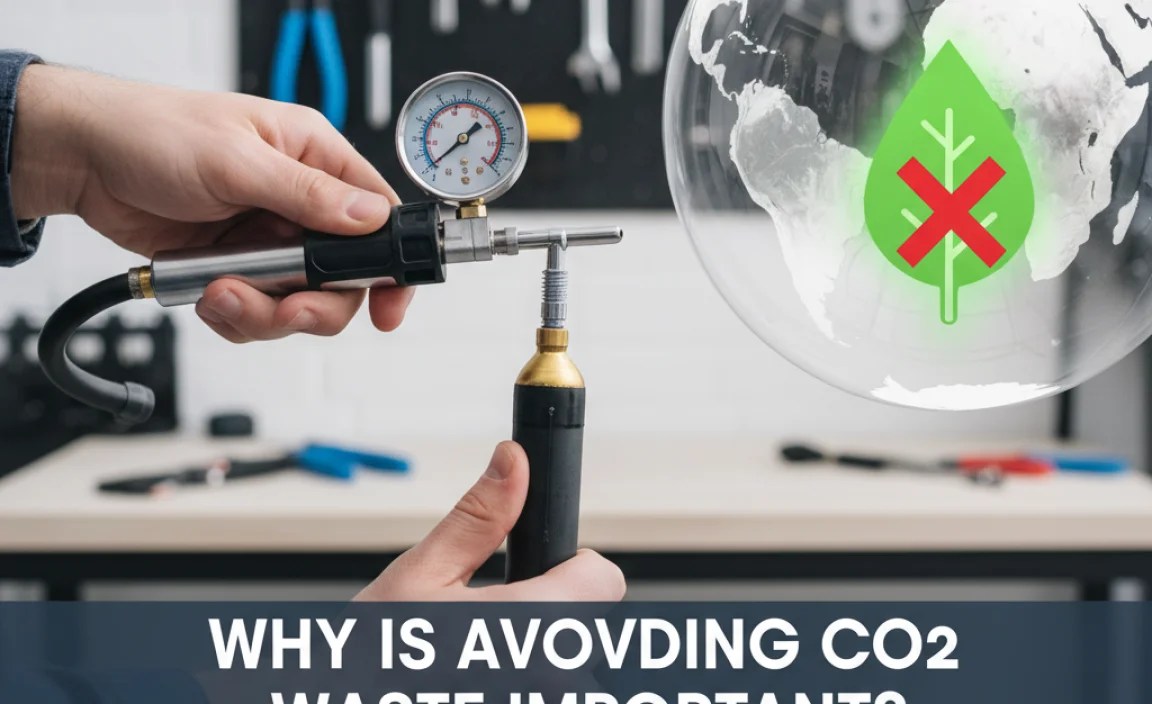
Carbon dioxide is a gas that traps heat in our atmosphere. This is called the greenhouse effect. When we release too much CO2, the Earth gets warmer. This can cause problems like melting ice and strange weather. That’s why it’s important to reduce CO2 waste whenever we can. Even small actions, like being careful when inflating tires, can make a difference. Think of it like saving pennies. Each penny seems small, but they add up to dollars! Every bit of CO2 we save helps protect our planet. It’s our job to be good stewards of the Earth.
- CO2 traps heat and warms the Earth.
- Too much CO2 causes climate change.
- Small actions can make a big impact.
- Reducing waste helps protect the planet.
- We should care for our Earth.
Consider a scenario: a group of friends is getting ready for a bike ride. One friend uses a CO2 cartridge to quickly inflate their tire. But, they don’t attach it correctly. The CO2 leaks out with a loud hiss! All that gas is wasted. This is a perfect example of how to avoid wasting CO2 when inflating. Being careful and checking connections can prevent this. By learning simple steps, we can all help the environment. Remember, every little bit counts when protecting our planet from harmful gases.
What is a Carbon Footprint?
Have you ever heard of a carbon footprint? It’s like a measurement of how much CO2 your actions release. Everything we do, from riding in a car to using electricity, adds to our carbon footprint. Even inflating a bike tire with a CO2 cartridge adds to it. Some actions create a bigger footprint than others. Driving a big car creates a larger footprint than riding a bike. Using less energy at home helps shrink our footprint. Understanding our carbon footprint helps us make better choices. We can choose to walk instead of drive. We can turn off lights when we leave a room. These small changes add up and reduce our impact on the planet.
How Does CO2 Affect Our Planet?
Imagine Earth is like a greenhouse. The sun’s rays come in and warm the plants. CO2 acts like the glass in the greenhouse, trapping some of that heat. This is good, up to a point. It keeps Earth warm enough to live on. But when we add too much CO2, the “glass” gets thicker. More heat gets trapped, and the Earth gets too hot. This extra heat causes problems like melting glaciers and rising sea levels. It can also lead to more extreme weather events like hurricanes and droughts. That’s why it’s important to reduce our CO2 emissions and take care of our planet.
Why Should Kids Care About CO2?
You might be wondering, why should kids care about CO2? Well, the Earth we live on now is the Earth you will inherit. The choices we make today will affect your future. If we don’t take care of the planet, you might face bigger problems. These could include more extreme weather, food shortages, and less clean water. But, if we work together to reduce CO2 emissions, we can create a better future for everyone. You can help by learning about how to avoid wasting CO2 when inflating and other ways to protect the planet. Every action you take, no matter how small, can make a difference.
Fun Fact or Stat: The average person in the United States produces about 16 tons of CO2 per year!
Choosing the Right Inflation Method
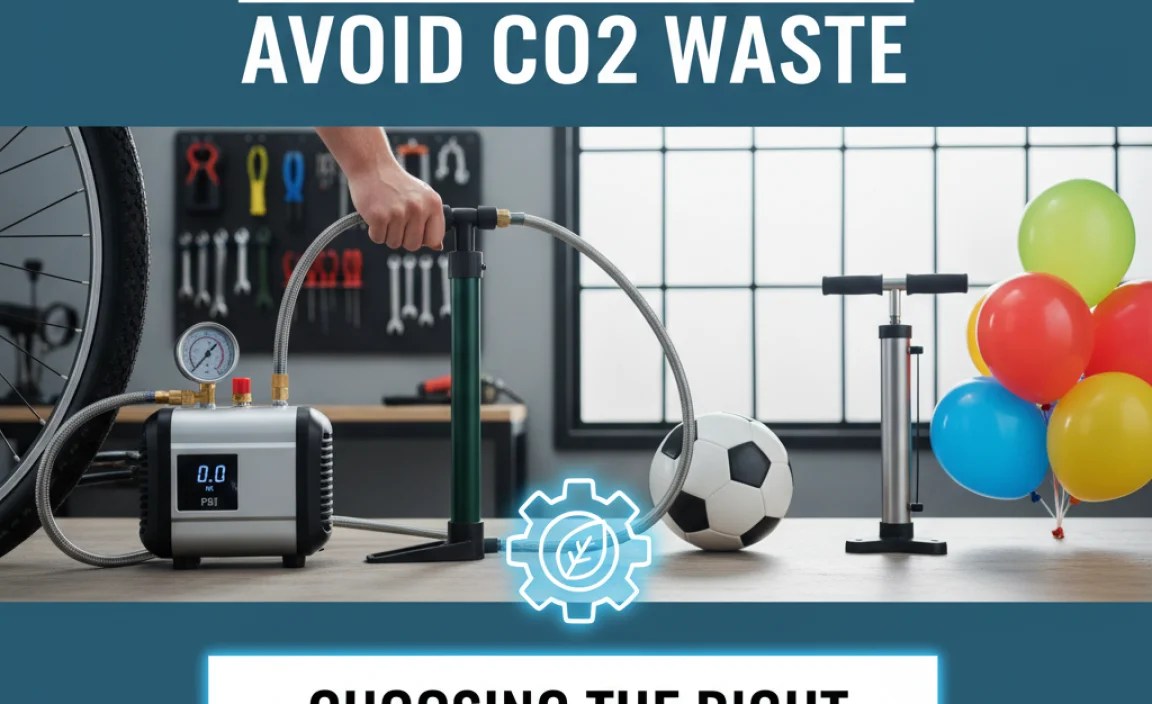
When you need to inflate something, you have choices! You can use a manual pump, an electric pump, or a CO2 cartridge. Each option has its pros and cons. A manual pump is good exercise. It doesn’t need electricity, but it takes effort. An electric pump is fast and easy. But, it uses electricity, which can contribute to CO2 emissions. CO2 cartridges are quick and portable. However, they release CO2 into the atmosphere. It’s important to think about the environmental impact of each choice. Choosing a manual pump is often the best option for the environment. But, sometimes, a CO2 cartridge is necessary. In these cases, use it wisely! Understanding the options helps us make smart choices.
- Manual pumps are good exercise.
- Electric pumps are fast but use power.
- CO2 cartridges are quick but release gas.
- Consider the environmental impact.
- Choose the best option for the situation.
- A manual pump is eco-friendly.
Let’s say you’re at a bike race. You get a flat tire far from the starting line. A CO2 cartridge might be the best option to quickly inflate your tire and get back in the race. But, if you’re at home inflating a basketball, a manual pump is a better choice. It’s all about balancing convenience with environmental responsibility. Remember, how to avoid wasting CO2 when inflating also means choosing the right tool for the job. Think about what you are inflating and where you are. This will help you make the most responsible choice. Every decision makes a difference.
Manual Pumps: Pros and Cons
Manual pumps are a great choice for inflating things without releasing CO2. They are powered by your own energy, which is good exercise! Plus, they don’t require electricity. This means they don’t contribute to the carbon footprint of electric power plants. However, manual pumps can take more time and effort than other options. It can be tiring to pump up a large inflatable pool toy! But, for smaller items like bike tires or basketballs, a manual pump is a great choice. It’s a healthy and eco-friendly way to get the job done. Plus, you’ll feel good knowing you’re not adding to CO2 emissions.
Electric Pumps: When to Use Them
Electric pumps are super convenient. They inflate things quickly and easily. This makes them great for inflating large items like air mattresses or inflatable pools. But, electric pumps use electricity. The electricity comes from power plants. Some power plants burn fossil fuels, which release CO2 into the atmosphere. If you need to use an electric pump, try to use one that is energy efficient. You can also try to use renewable energy sources to power your home. This will help reduce the carbon footprint of using an electric pump. It’s all about making smart choices to protect the planet.
CO2 Cartridges: Usage Tips
CO2 cartridges are small and convenient. They are perfect for quickly inflating a bike tire on the go. But, they release CO2 into the atmosphere. That’s why it’s important to use them wisely. Only use a CO2 cartridge when you really need it. Make sure you know how to avoid wasting CO2 when inflating. Check the connection to make sure it’s secure. Don’t overfill the tire. If you have a choice, use a manual pump instead. Every little bit helps. By being mindful of how we use CO2 cartridges, we can reduce our impact on the planet.
Fun Fact or Stat: It takes about 500 trees to absorb the CO2 produced by one car in a year!
Proper Inflation Techniques
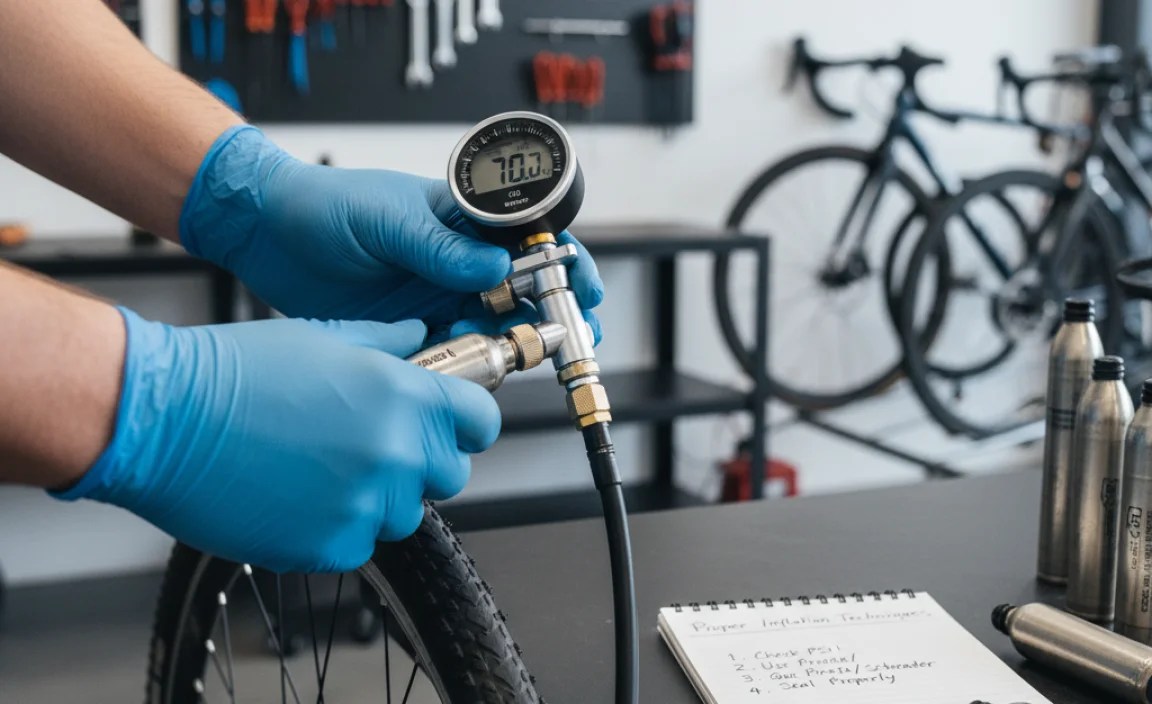
Knowing how to avoid wasting CO2 when inflating also means using the right techniques. Overinflating can cause things to burst. Underinflating can make them not work as well. Always check the recommended pressure for what you’re inflating. This is often written on the item itself. Use a pressure gauge to make sure you’re not over or under. Inflate slowly and carefully. This will help prevent leaks and wasted CO2. Practice makes perfect! The more you inflate things, the better you’ll get. You’ll learn to feel when something is properly inflated. This will help you be more efficient and avoid waste.
- Check the recommended pressure.
- Use a pressure gauge.
- Inflate slowly and carefully.
- Avoid over or under inflating.
- Practice makes perfect.
Imagine you’re inflating a basketball. If you pump too much air, the ball will become too hard. It won’t bounce properly. It could even burst! On the other hand, if you don’t pump enough air, the ball will be too soft. It won’t bounce high enough. You won’t be able to dribble well. That’s why it’s important to inflate it just right. The same is true for bike tires. Overinflated tires can be uncomfortable and more likely to get a flat. Underinflated tires can make it harder to pedal. Knowing the proper pressure makes all the difference.
Understanding Pressure Gauges
A pressure gauge is a tool that measures how much air is inside something. It usually has a needle that points to a number. The number tells you the pressure in pounds per square inch (PSI). Different things need different PSI. A bike tire might need 60 PSI, while a basketball might need 8 PSI. Knowing how to read a pressure gauge is important. It helps you inflate things to the correct pressure. This will make them work better and last longer. It also helps you avoid wasting CO2 when inflating. You’ll know exactly when to stop pumping.
Avoiding Over-Inflation
Over-inflation can be dangerous. It can cause things to burst. This can be especially dangerous with tires. A bursting tire can cause an accident. It’s also a waste of resources. You’ll have to replace the item that burst. To avoid over-inflation, always check the recommended pressure. Use a pressure gauge. Inflate slowly and carefully. If you accidentally over-inflate something, let some air out. It’s better to be safe than sorry. Taking these precautions will help prevent accidents and save money.
The Importance of Slow Inflation
Inflating things slowly is a good idea. It gives you more control. You can stop when you reach the correct pressure. Inflating too quickly can lead to over-inflation. It can also damage the item you’re inflating. Slow inflation also helps prevent leaks. If you pump air in too fast, you might not notice a small leak. This can lead to wasted CO2. By inflating slowly and carefully, you can catch leaks early. This will help you avoid wasting CO2 when inflating. Patience is key when inflating things.
Fun Fact or Stat: Car tires that are under-inflated by just 3 PSI can increase fuel consumption by 1.6%!
Checking for Leaks
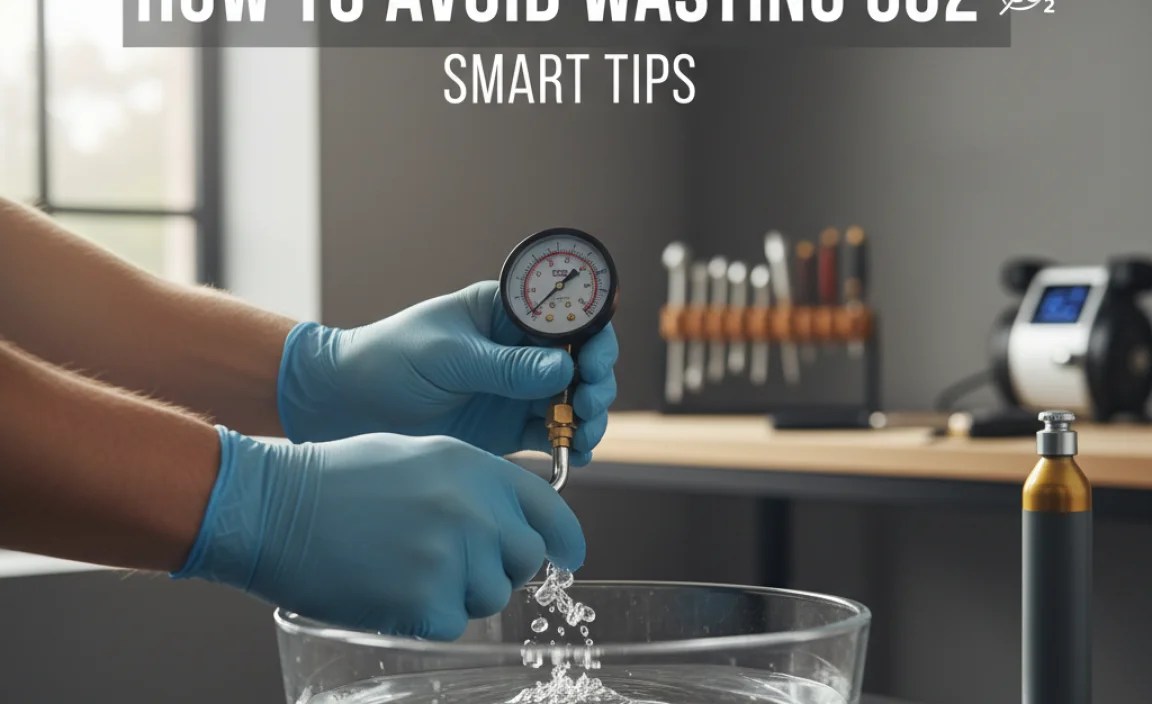
Leaks are a big problem when inflating things. They waste air and CO2. Checking for leaks is an important part of how to avoid wasting CO2 when inflating. Before you start inflating, check the item for any holes or damage. After you inflate, listen for hissing sounds. This can indicate a leak. You can also use soapy water to check for leaks. Brush soapy water over the surface. If there’s a leak, bubbles will form. Finding and fixing leaks saves air and CO2. It also helps your items last longer. It’s a simple step that makes a big difference.
- Check for holes before inflating.
- Listen for hissing sounds after inflating.
- Use soapy water to find leaks.
- Fix leaks to save air and CO2.
- Leaks make items last shorter.
Imagine you’re inflating a pool float for a summer party. You start pumping it up, but you hear a faint hissing sound. You look closely and see a small hole. Air is leaking out! If you kept pumping, you would waste a lot of air. Plus, the float would never stay inflated. By checking for leaks, you can fix the hole before it becomes a bigger problem. This saves you time, effort, and resources. It’s a simple step that can prevent a lot of frustration.
How to Find Small Leaks
Finding small leaks can be tricky. They might not be obvious. One way to find them is to listen carefully. A faint hissing sound can indicate a leak. Another way is to use soapy water. Mix soap with water and brush it over the surface of the item. If there’s a leak, bubbles will form where the air is escaping. You can also try submerging the item in water. Look for bubbles rising to the surface. These methods can help you find even the smallest leaks. Once you find the leak, you can repair it.
Repairing Common Leaks
Many leaks can be easily repaired. For small holes in inflatable items, you can use a patch kit. These kits usually come with patches and glue. Clean the area around the hole. Apply glue to the patch. Press the patch firmly over the hole. Let it dry completely before inflating. For leaks around valves, try tightening the valve. You can also try replacing the valve. With a little effort, you can repair many common leaks. This will save you money and resources. It also helps reduce waste.
Preventing Future Leaks
Preventing leaks is better than repairing them. Store inflatable items properly. Keep them away from sharp objects. Avoid over-inflating them. Check them regularly for wear and tear. Handle them with care. By taking these precautions, you can prevent many leaks from happening in the first place. This will save you time, effort, and resources. It also helps extend the life of your items. A little prevention goes a long way.
Fun Fact or Stat: A leaky faucet can waste up to 3,000 gallons of water per year!
Maintaining Your Equipment
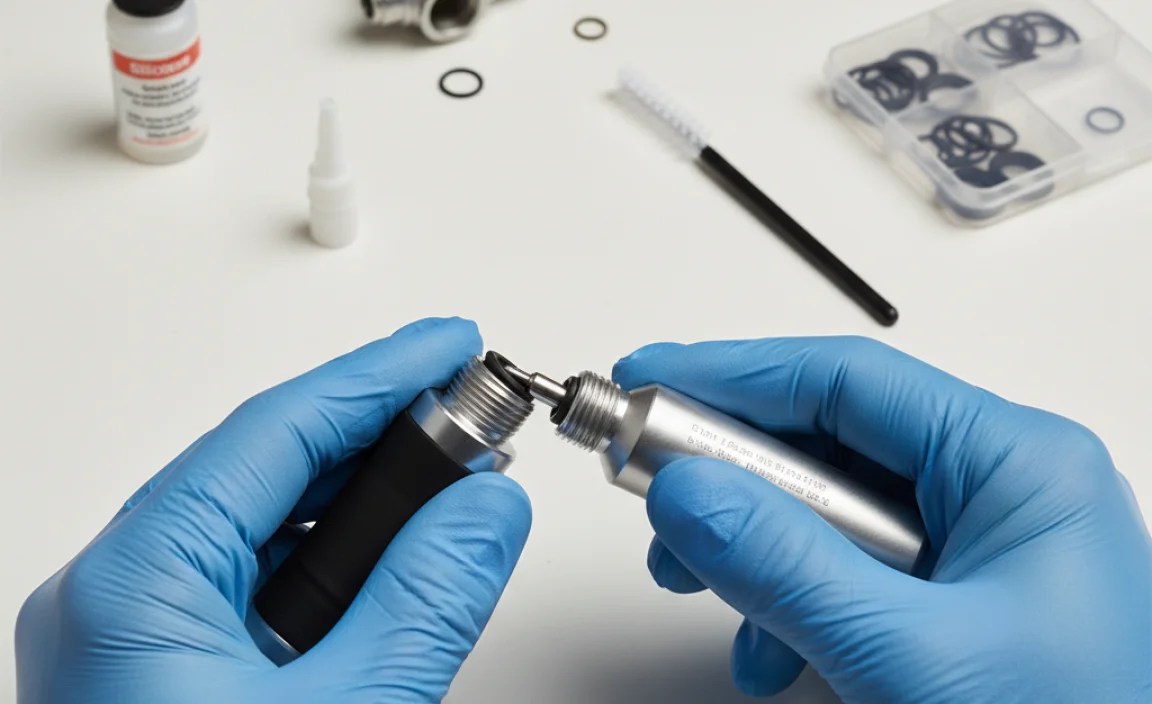
Taking care of your inflation equipment is important. It helps it last longer. It also helps prevent leaks and wasted CO2. Clean your pumps and cartridges regularly. Store them in a dry place. Check them for wear and tear. Replace parts when needed. A well-maintained pump will work more efficiently. It will also be less likely to leak. This will help you avoid wasting CO2 when inflating. Proper maintenance saves you money in the long run. It also helps protect the environment. It’s a win-win situation.
| Equipment | Maintenance Task | Frequency |
|---|---|---|
| Manual Pump | Clean the nozzle | Monthly |
| Electric Pump | Check the cord | Every use |
| CO2 Cartridge | Inspect for rust | Before use |
| Pressure Gauge | Calibrate regularly | Annually |
Imagine you have a bicycle. You wouldn’t just ride it and never clean it, right? You would clean the chain, oil the gears, and check the tires. This helps your bike last longer and work better. The same is true for your inflation equipment. By taking care of it, you can ensure it works properly. This will help you avoid wasting CO2 when inflating. It’s all about being responsible and taking pride in your equipment.
Cleaning Pumps and Cartridges
Cleaning your pumps and cartridges is easy. For manual pumps, wipe down the outside with a damp cloth. Clean the nozzle with a small brush. For electric pumps, unplug them before cleaning. Wipe down the outside with a damp cloth. Check the cord for damage. For CO2 cartridges, inspect them for rust. If you see rust, don’t use the cartridge. It could be dangerous. Cleaning your equipment helps it work better. It also helps prevent damage.
Storing Equipment Properly
Storing your equipment properly is important. Keep it in a dry place. Moisture can cause rust and corrosion. Store pumps and cartridges in a container or bag. This will protect them from dust and dirt. Keep them away from extreme temperatures. Heat and cold can damage the equipment. By storing your equipment properly, you can extend its life. You can also prevent damage.
Replacing Worn Parts
Over time, parts of your inflation equipment may wear out. Hoses can crack. Valves can leak. Gauges can become inaccurate. When you notice wear and tear, replace the parts. This will help your equipment work properly. It will also help you avoid wasting CO2 when inflating. Replacing worn parts is a responsible thing to do. It saves you money in the long run. It also helps protect the environment.
Fun Fact or Stat: Regularly maintained equipment can last up to twice as long as equipment that is neglected!
Using Alternatives to CO2 Cartridges
CO2 cartridges are convenient, but they release CO2. There are other options! Manual pumps are a great alternative. They don’t release any CO2. Electric pumps are another option, but they use electricity. Using alternatives to CO2 cartridges is a great way to avoid wasting CO2 when inflating. It’s a simple change that can make a big difference. Think about the environmental impact of your choices. Choose the most eco-friendly option whenever possible. Every little bit helps to protect our planet.
- Manual pumps are eco-friendly.
- Electric pumps use electricity.
- Consider the environmental impact.
- Choose the most eco-friendly option.
- Alternatives help the planet.
Imagine you’re getting ready for a soccer game. You need to inflate the soccer ball. You could use a CO2 cartridge, but that would release CO2. Instead, you could use a manual pump. It might take a little more effort, but it’s better for the environment. Plus, you’ll get a little exercise! Choosing the manual pump is a simple way to reduce your carbon footprint. It’s a small change that can make a big difference over time.
Exploring Manual Pump Options
There are many different types of manual pumps. Some are small and portable. Others are larger and more powerful. Choose the right pump for your needs. A small pump is great for inflating bike tires on the go. A larger pump is better for inflating larger items like air mattresses. Look for a pump that is durable and easy to use. Read reviews before you buy. This will help you choose the best pump for your needs. A good manual pump can last for many years.
Electric Pumps and Energy Consumption
Electric pumps are convenient, but they use electricity. The electricity comes from power plants. Some power plants burn fossil fuels, which release CO2 into the atmosphere. If you need to use an electric pump, try to use one that is energy efficient. Look for the Energy Star label. This means the pump uses less energy. You can also try to use renewable energy sources to power your home. This will help reduce the carbon footprint of using an electric pump. It’s all about making smart choices to protect the planet.
Other Eco-Friendly Inflation Methods
Besides manual and electric pumps, there are other eco-friendly ways to inflate things. Some companies make pumps that are powered by solar energy. These pumps use the sun’s energy to inflate items. This is a great way to reduce your carbon footprint. You can also try using compressed air tanks. These tanks can be filled at a local gas station. They don’t release CO2 into the atmosphere. Explore different options and find what works best for you. Every little bit helps to protect our planet.
Fun Fact or Stat: Solar panels can reduce your electricity bill by up to 75%!
Recycling CO2 Cartridges
Recycling is an important part of protecting the environment. When you recycle, you turn old items into new ones. This saves resources and reduces waste. CO2 cartridges can often be recycled. Check with your local recycling center to see if they accept them. Some companies also have recycling programs for their cartridges. Recycling CO2 cartridges is a great way to avoid wasting CO2 when inflating. It helps reduce the impact of these cartridges on the environment. It’s a responsible thing to do.
- Recycling saves resources.
- Recycling reduces waste.
- Check if your center accepts cartridges.
- Some companies offer recycling programs.
- Recycling helps the environment.
Imagine you’ve used a CO2 cartridge to inflate your bike tire. Instead of throwing it in the trash, you can recycle it. This helps reduce waste and saves resources. The metal from the cartridge can be used to make new products. This reduces the need to mine for new metal. Recycling is a simple way to make a positive impact on the environment. It’s something everyone can do.
Finding Recycling Centers
Finding a recycling center is easy. Check your local government’s website. They will have a list of recycling centers in your area. You can also use online search engines. Just type in “recycling center near me.” Call the recycling center to see if they accept CO2 cartridges. Not all centers accept all types of items. It’s important to check before you go. Finding a recycling center is the first step to recycling.
Preparing Cartridges for Recycling
Before you recycle a CO2 cartridge, you need to prepare it. Make sure the cartridge is completely empty. Puncture the cartridge to release any remaining gas. Be careful when doing this. Wear gloves and eye protection. Once the cartridge is empty, rinse it with water. This will remove any residue. Now the cartridge is ready to be recycled. Preparing cartridges properly helps the recycling process.
Company Recycling Programs
Some companies offer recycling programs for their CO2 cartridges. Check the company’s website or packaging for information. These programs often involve mailing the used cartridges back to the company. The company will then recycle the cartridges properly. This is a convenient way to recycle CO2 cartridges. It also ensures that they are recycled correctly. Look for companies that offer recycling programs. This shows that they care about the environment.
Fun Fact or Stat: Recycling one aluminum can saves enough energy to power a TV for three hours!
Summary
Avoiding CO2 waste when inflating is important for our planet. CO2 traps heat and causes climate change. We can make a difference by choosing the right inflation method. Manual pumps are a great alternative to CO2 cartridges. Using proper inflation techniques also helps. Check for leaks and maintain your equipment. Recycle CO2 cartridges when possible. Every small action adds up to a big impact. Learning how to avoid wasting CO2 when inflating helps us protect the environment. It’s our responsibility to care for our planet.
Conclusion
It’s easy to learn how to avoid wasting CO2 when inflating. Small changes in our habits can help. Using manual pumps is better than CO2 cartridges when possible. Checking for leaks and maintaining equipment matters. Recycling cartridges reduces waste. We can all contribute to a healthier planet. By being mindful of our actions, we can make a positive impact. Let’s work together to protect the environment for future generations. Every effort counts towards a sustainable future. Even children can make a difference by being thoughtful.
Frequently Asked Questions
Question No 1: Why is it important to reduce CO2 emissions?
Answer: It is important to reduce CO2 emissions because CO2 is a greenhouse gas. Greenhouse gases trap heat in the atmosphere. Too much CO2 causes the Earth to warm up. This leads to climate change. Climate change can cause problems like melting ice, rising sea levels, and extreme weather. Reducing CO2 emissions helps protect our planet. It ensures a healthier future for everyone. Even something small, like knowing how to avoid wasting CO2 when inflating, can contribute positively.
Question No 2: What are some simple ways to reduce my carbon footprint?
Answer: There are many simple ways to reduce your carbon footprint. You can walk or bike instead of driving. You can turn off lights when you leave a room. You can recycle and reuse items. You can eat less meat. You can also be mindful of how to avoid wasting CO2 when inflating. Choose manual pumps over CO2 cartridges. These small changes add up and make a big difference. Every action you take helps protect the environment.
Question No 3: Are CO2 cartridges bad for the environment?
Answer: CO2 cartridges release CO2 into the atmosphere. CO2 contributes to climate change. So, CO2 cartridges do have a negative impact on the environment. However, they are sometimes necessary. For example, they can be useful for quickly inflating a bike tire during a race. When using CO2 cartridges, it’s important to use them wisely. Avoid wasting CO2 and recycle the cartridges when possible. Learning how to avoid wasting CO2 when inflating helps mitigate the negative impact.
Question No 4: Can kids really make a difference in reducing CO2 emissions?
Answer: Absolutely! Kids can make a big difference. You can learn about ways to reduce CO2 emissions. You can share this knowledge with your friends and family. You can make eco-friendly choices in your daily life. For example, you can choose to walk or bike to school. You can turn off lights when you leave a room. You can also practice how to avoid wasting CO2 when inflating. Every action you take, no matter how small, can inspire others and create a positive impact. You are the future, and your actions matter.
Question No 5: What are some alternatives to using CO2 cartridges for inflating tires?
Answer: There are several good alternatives. Manual pumps are a great option. They don’t release any CO2 into the atmosphere. They are also a good source of exercise! Electric pumps are another alternative. However, they use electricity. Consider using a hand pump when you can. If you must use a CO2 cartridge, know how to avoid wasting CO2 when inflating. This includes proper attachment and not overfilling.
Question No 6: How can I tell if my bike tire is properly inflated?
Answer: You can tell if your bike tire is properly inflated by using a pressure gauge. A pressure gauge measures the air pressure in the tire. The recommended pressure is usually written on the side of the tire. Inflate the tire until the pressure gauge reads the correct number. You can also squeeze the tire. It should feel firm but not rock hard. Learning how to avoid wasting CO2 when inflating also includes knowing when to stop. With practice, you’ll get a feel for the right pressure.


