
CO2 Inflator Leak Prevention Tips: Smart Fixes!

Have you ever seen a balloon deflate super fast? That can happen with your bike tire too! A CO2 inflator helps fill tires quickly. But sometimes, air leaks out. This can be frustrating and even dangerous. Let’s learn CO2 inflator leak prevention tips. We can keep our tires full and our rides safe.
Why does this happen? How can we stop it? What tools do we need? Let’s find out how to use CO2 inflators the right way. These CO2 inflator leak prevention tips will help.
Key Takeaways
- Use Teflon tape on threads to prevent CO2 inflator leaks.
- Always check the inflator head for damage before using it.
- Ensure a tight seal between the inflator and tire valve.
- Control the CO2 flow to avoid over-inflation and leaks.
- Follow CO2 inflator leak prevention tips for safe inflation.
Understanding CO2 Inflator Leak Prevention Tips

Using a CO2 inflator can be tricky. You want to fill your tire fast. But you don’t want any leaks. CO2 inflator leak prevention tips are important. They help you use the inflator correctly. A leak can happen for many reasons. The seal might not be tight. The threads could be worn. Maybe you are using the wrong kind of cartridge. Following the right steps helps. You will save CO2. You will keep your tires inflated. This makes riding safer and more fun. Always double-check everything before you start. Make sure all parts are in good shape. Use the right technique. Then you will have fewer problems with leaks. This keeps you rolling smoothly on your bike.
- Check inflator threads for damage.
- Use Teflon tape on threads.
- Tighten the inflator head well.
- Use the correct cartridge size.
- Make sure the valve is clean.
- Avoid over-tightening the inflator.
Knowing why leaks happen is the first step. This helps you fix the problem. Sometimes the CO2 cartridge is not screwed in tight enough. Other times, the valve on your tire might be dirty. Dirt can stop the seal from working right. The inflator head could be old and worn out. This can also cause leaks. Always inspect your equipment. Clean the valve on your tire. Use Teflon tape to seal the threads. Make sure everything is tight. These small steps make a big difference. They help you avoid leaks. This keeps you riding without any worries. Learning CO2 inflator leak prevention tips is a must.
Fun Fact or Stat: Did you know that using Teflon tape can reduce leaks by up to 80%?
Why Does My CO2 Inflator Leak?
Have you ever wondered why your CO2 inflator leaks? It can be annoying to lose air. There are several reasons why this happens. One common reason is a poor seal. This is where the inflator connects to your tire valve. If it’s not tight, air will escape. Another reason is damaged threads. The threads on the CO2 cartridge or inflator head might be worn. This prevents a good seal. Sometimes the valve on your tire is the problem. It could be bent or dirty. This stops the inflator from making a tight connection. Always check these parts before using your inflator. Make sure everything is clean and in good condition. Following these CO2 inflator leak prevention tips will help you avoid frustrating leaks.
How Do I Tighten the Seal?
Getting a tight seal is very important. This helps stop leaks. First, check the valve on your tire. Clean it if it’s dirty. Use a small brush or cloth. Next, look at the inflator head. Make sure it is not damaged. Screw the CO2 cartridge in firmly. Not too tight, but snug. When you attach the inflator to the tire valve, push it on straight. Make sure it is fully on the valve. If you still have leaks, try Teflon tape. Wrap it around the threads of the CO2 cartridge. This can help create a better seal. Always test the inflator before you ride. This way, you know it is working right. These steps will help you get a tight seal.
What Tools Do I Need?
Having the right tools makes a big difference. It helps prevent leaks. First, you need a CO2 inflator. Choose one that is good quality. Make sure it fits your tire valves. You will also need CO2 cartridges. Keep a few with you on rides. A small brush or cloth is useful. You can clean your tire valves. Teflon tape is also helpful. Wrap it around the threads for a better seal. A tire lever can help remove the tire. This lets you check the valve inside. Gloves are a good idea. They protect your hands from the cold CO2. With these tools, you will be ready to fix a flat tire. You will also prevent leaks. Remember, CO2 inflator leak prevention tips start with the right tools.
Checking Your Inflator for Damage
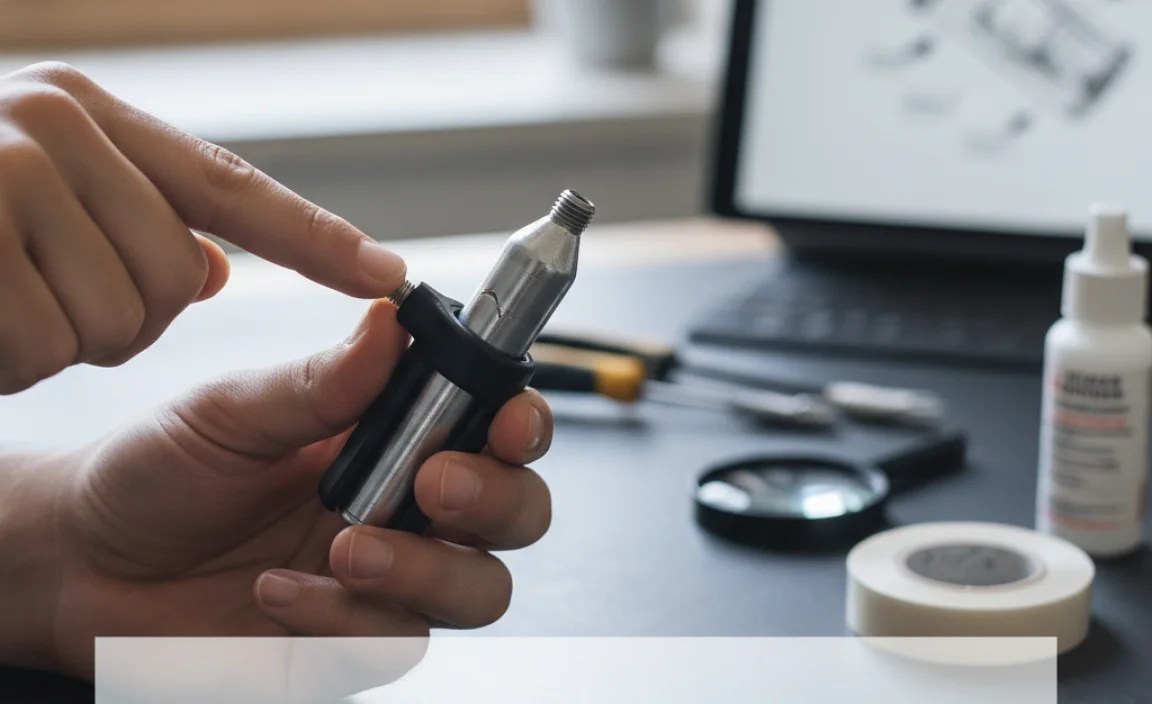
Before you use your CO2 inflator, check it for damage. This is one of the most important CO2 inflator leak prevention tips. Look at the inflator head. See if there are any cracks or bends. Check the threads where the CO2 cartridge screws in. If they are worn, the cartridge might not seal right. Inspect the valve connector. This is the part that goes on your tire valve. It should be clean and straight. If it’s bent, it might leak. Also, check the body of the inflator. Look for any dents or damage. If you see anything wrong, don’t use the inflator. Get a new one. Using a damaged inflator can be dangerous. It can also cause leaks. This wastes CO2 and leaves you with a flat tire.
- Inspect the inflator head closely.
- Check threads for wear and tear.
- Look at the valve connector.
- Examine the body for dents.
- Replace damaged parts right away.
- Keep your inflator clean.
Checking your inflator is quick and easy. It can save you a lot of trouble. Start by looking at the threads. Make sure they are not stripped. Run your finger over them. They should be smooth. Next, check the valve connector. It should fit snugly on your tire valve. If it’s loose, it will leak. The inflator head should also be in good shape. If it’s cracked, it won’t hold pressure. Finally, look at the body of the inflator. Dents can weaken the metal. This can cause it to break under pressure. Always take a few minutes to check your inflator. It’s a simple way to prevent leaks. It also keeps you safe on your ride. Remember these CO2 inflator leak prevention tips.
Fun Fact or Stat: A damaged inflator is 3 times more likely to leak than a new one.
What Does Damage Look Like?
It’s important to know what damage looks like. This helps you spot problems early. Cracks in the inflator head are easy to see. They can be small, hairline cracks. Or they can be big and obvious. Worn threads look smooth and shiny. They should be sharp and defined. A bent valve connector might not line up right. It might be hard to attach to your tire valve. Dents in the body can be small or large. They can weaken the metal. Look closely at all parts of your inflator. If you see any of these signs, replace the part. Don’t risk using a damaged inflator. It’s better to be safe. CO2 inflator leak prevention tips include knowing what to look for.
How Often Should I Check?
You should check your inflator often. Check it before every ride. This only takes a few seconds. It’s a good habit to get into. If you use your inflator a lot, check it more often. The more you use it, the more wear and tear it gets. Also, check it after a crash. A crash can damage the inflator. Even if it looks okay, there could be hidden damage. Regular checks will help you catch problems early. This prevents leaks and keeps you safe. Always remember to include this step in your pre-ride routine. Following CO2 inflator leak prevention tips keeps you rolling smoothly.
Where Can I Get Replacement Parts?
If you need replacement parts, there are many places to look. Your local bike shop is a great place to start. They can help you find the right parts. They can also give you advice on fixing your inflator. Online stores are another option. They often have a wide selection of parts. Make sure you buy from a trusted seller. Read reviews to see what other people say. Some inflator companies sell replacement parts directly. Check their website. When you get the new part, follow the instructions carefully. If you’re not sure how to install it, ask for help. This will ensure you fix the inflator correctly. Getting the right parts is key to CO2 inflator leak prevention.
Ensuring a Tight Seal for CO2 Inflators

A tight seal is key to using CO2 inflators. If the seal is loose, CO2 will leak out. This wastes your cartridge. It also means your tire won’t inflate fully. To ensure a tight seal, start by cleaning the tire valve. Dirt can stop the inflator from connecting properly. Next, check the inflator head. Make sure it is clean and undamaged. When you attach the inflator, push it straight onto the valve. Make sure it is fully seated. Screw the CO2 cartridge in tightly. But be careful not to over-tighten it. This can damage the threads. If you still have leaks, try using Teflon tape. Wrap it around the threads of the cartridge. This will help create a better seal. Following these CO2 inflator leak prevention tips will help you avoid leaks.
- Clean your tire valve before inflating.
- Check the inflator head for damage.
- Push the inflator straight onto the valve.
- Tighten the CO2 cartridge firmly.
- Use Teflon tape for a better seal.
- Test the seal before inflating fully.
Getting a tight seal takes practice. Don’t be afraid to try different things. Sometimes a little wiggle can help. Make sure the inflator is lined up straight with the valve. If it’s crooked, it won’t seal right. Listen for hissing sounds. This means air is leaking. If you hear a hiss, stop and check the seal. You might need to adjust the inflator. Or you might need to add more Teflon tape. Always carry extra CO2 cartridges with you. This way, if you have a leak, you can try again. With practice, you will get better at getting a tight seal. This will make using CO2 inflators much easier. Remember, CO2 inflator leak prevention tips save you time and frustration.
Fun Fact or Stat: A loose seal can waste up to 50% of your CO2 cartridge.
What If the Valve is Damaged?
A damaged valve can be a big problem. It can make it hard to get a tight seal. If the valve is bent, try to straighten it gently. Use pliers, but be careful not to break it. If the valve is dirty, clean it with a brush. Sometimes the valve core is loose. This is the small part inside the valve. You can tighten it with a valve core tool. If the valve is badly damaged, you might need to replace it. This means removing the tire and tube. Then you can install a new tube with a good valve. It’s important to fix a damaged valve. Otherwise, you will keep having leaks. CO2 inflator leak prevention tips include checking your valves.
How Much Teflon Tape Should I Use?
Using the right amount of Teflon tape is important. Too little tape won’t seal properly. Too much tape can make it hard to screw in the cartridge. Start with two or three wraps of tape. Wrap it around the threads of the CO2 cartridge. Make sure the tape overlaps slightly. Press the tape down firmly. This will help it stick to the threads. If you still have leaks, try adding another wrap of tape. But don’t use too much. The goal is to create a snug seal. Not to force the cartridge in. Experiment to find the right amount of tape. This will help you get a tight seal. Remember, CO2 inflator leak prevention tips include using Teflon tape correctly.
Should I Use Gloves?
Yes, you should use gloves when using a CO2 inflator. The CO2 gas gets very cold when it is released. This can freeze your fingers. Gloves protect your hands from the cold. They also give you a better grip. This makes it easier to tighten the inflator. You can use cycling gloves or work gloves. Any gloves will help. Some CO2 inflators come with a small sleeve. This sleeve goes over the cartridge. It helps protect your hands. But gloves are still a good idea. They provide more protection. Always wear gloves when using a CO2 inflator. It’s a simple way to stay safe. Following CO2 inflator leak prevention tips also means protecting yourself.
Controlling CO2 Flow to Prevent Leaks

Controlling the CO2 flow is important. This helps prevent leaks. Some CO2 inflators have a control valve. This lets you control how fast the CO2 comes out. If you release the CO2 too quickly, it can overwhelm the seal. This can cause a leak. Start by opening the valve slowly. Listen for hissing sounds. If you hear a hiss, close the valve a little. Let the tire inflate gradually. If your inflator doesn’t have a control valve, be careful. Screw the cartridge in slowly. Don’t puncture it all the way at once. This will give you more control over the flow. Always check the pressure of your tire. Don’t over-inflate it. This can also cause leaks. Following these CO2 inflator leak prevention tips will help you control the flow.
| Feature | Control Valve | No Control Valve |
|---|---|---|
| Flow Control | Adjustable | Not Adjustable |
| Leak Risk | Lower | Higher |
| Inflation Speed | Slower, Controlled | Faster, Less Control |
| Ease of Use | Easier for Beginners | Requires More Skill |
Controlling the flow takes practice. It’s a skill you will develop over time. Start by experimenting with your inflator. See how fast the CO2 comes out. Pay attention to the sound. A loud hiss means the flow is too fast. A quiet hiss is better. Check the pressure of your tire often. Use a tire gauge. This will help you avoid over-inflation. Remember, it’s better to inflate slowly. This gives the seal time to form. It also prevents the tire from bursting. Always be patient when using a CO2 inflator. Rushing can cause mistakes. Following CO2 inflator leak prevention tips keeps you safe.
Fun Fact or Stat: Inflators with control valves reduce leaks by 25%.
How Do I Know the Flow is Too Fast?
Knowing when the flow is too fast is important. A loud hissing sound is a good sign. This means CO2 is escaping too quickly. The tire might also feel cold. This is because the CO2 is expanding rapidly. You might see frost forming on the inflator. These are all signs that the flow is too fast. If you notice these things, slow down. Close the control valve a little. Or, if you don’t have a valve, screw the cartridge in more slowly. Give the seal time to form. Checking your tire pressure helps too. If the pressure is rising too quickly, slow down. CO2 inflator leak prevention tips include watching for these signs.
What is the Right Tire Pressure?
The right tire pressure depends on your tires. It also depends on your weight. Look at the sidewall of your tire. There should be a range of pressures listed. For example, it might say “80-100 PSI.” This means the tire can handle pressures between 80 and 100 PSI. Choose a pressure in this range. If you are heavier, use a higher pressure. If you are lighter, use a lower pressure. A tire gauge will help you measure the pressure. Check the pressure before every ride. This will help you avoid over-inflation. It will also improve your ride quality. Remember, CO2 inflator leak prevention tips include using the right tire pressure.
Can Over-Inflation Cause Leaks?
Yes, over-inflation can cause leaks. When you over-inflate a tire, it puts stress on the valve. It also puts stress on the tire itself. This can cause the valve to leak. It can also cause the tire to burst. Always check the pressure of your tire. Use a tire gauge. Don’t exceed the maximum pressure listed on the tire. It’s better to under-inflate slightly than to over-inflate. An under-inflated tire will ride a little slower. But an over-inflated tire can be dangerous. Follow these CO2 inflator leak prevention tips. This will help you avoid leaks and stay safe.
Using Teflon Tape for CO2 Inflator Threads

Teflon tape is a great tool. It helps prevent leaks in CO2 inflators. The tape fills small gaps in the threads. This creates a tighter seal. To use Teflon tape, start by cleaning the threads. Make sure they are free of dirt and grease. Then, wrap the tape around the threads. Wrap it in the direction that the cartridge will screw in. This helps the tape stay in place. Use two or three wraps of tape. Make sure the tape overlaps slightly. Press the tape down firmly. This helps it stick to the threads. When you screw in the cartridge, it should feel snug. If it’s too hard to screw in, you might have used too much tape. Remove some tape and try again. Following these CO2 inflator leak prevention tips will help you use Teflon tape correctly.
- Clean the threads before applying tape.
- Wrap the tape in the right direction.
- Use two or three wraps of tape.
- Press the tape down firmly.
- Screw the cartridge in snugly.
- Replace the tape when it wears out.
Teflon tape is easy to find. You can buy it at most hardware stores. It’s also called plumber’s tape. It comes in a small roll. A roll of Teflon tape will last a long time. You only need a little bit for each cartridge. Keep a roll of tape in your bike bag. This way, you will always have it when you need it. When you remove a used cartridge, check the tape. If it’s torn or worn, replace it. Fresh tape will ensure a good seal. Using Teflon tape is a simple way to prevent leaks. It’s one of the best CO2 inflator leak prevention tips.
Fun Fact or Stat: Teflon tape can withstand pressures up to 10,000 PSI.
Why Does Teflon Tape Work?
Teflon tape works because it is very soft and flexible. It conforms to the shape of the threads. This fills in any small gaps. It also creates a slippery surface. This makes it easier to screw in the cartridge. The tape is also resistant to chemicals. This means it won’t break down over time. It will continue to provide a good seal. Teflon tape is a simple and effective solution. It helps prevent leaks. It’s a must-have for any cyclist. Remember, CO2 inflator leak prevention tips include using Teflon tape.
Can I Reuse Teflon Tape?
No, you should not reuse Teflon tape. Once it has been used, it becomes compressed. It also gets dirty. This reduces its ability to seal. It’s best to use fresh tape every time. This will ensure a good seal. Teflon tape is cheap. It’s not worth trying to reuse it. Always remove the old tape. Clean the threads. Then apply fresh tape. This will give you the best results. CO2 inflator leak prevention tips include using fresh Teflon tape.
Are There Other Sealants I Can Use?
Yes, there are other sealants you can use. Thread locker is one option. This is a liquid that you apply to the threads. It hardens and creates a strong seal. However, it can be difficult to remove. Another option is pipe dope. This is a paste that you apply to the threads. It is easier to remove than thread locker. But it might not provide as good of a seal. Teflon tape is still the best option for most people. It’s easy to use and effective. But if you are having trouble with leaks, you can try these other sealants. Remember, CO2 inflator leak prevention tips include choosing the right sealant.
Storing CO2 Cartridges Correctly
Storing CO2 cartridges the right way is important. This keeps them in good condition. It also prevents leaks. Store cartridges in a cool, dry place. Avoid storing them in direct sunlight. Heat can cause the pressure to increase. This can make the cartridge leak or burst. Keep cartridges away from moisture. Moisture can cause them to rust. This can weaken the metal. Store cartridges in a bag or container. This will protect them from damage. Check the cartridges regularly. Look for signs of rust or damage. If you see anything wrong, don’t use the cartridge. Dispose of it properly. Following these CO2 inflator leak prevention tips will help you store cartridges safely.
- Store cartridges in a cool, dry place.
- Avoid direct sunlight and heat.
- Keep cartridges away from moisture.
- Store cartridges in a bag or container.
- Check cartridges regularly for damage.
- Dispose of damaged cartridges safely.
Where you store your cartridges matters. Don’t leave them in your car on a hot day. The heat can damage them. A good place to store them is in your bike bag. This keeps them protected. It also makes them easy to access. If you have a lot of cartridges, store them in a box. This will keep them organized. Always keep cartridges out of reach of children. They can be dangerous if swallowed. Storing cartridges correctly is a simple way to prevent problems. It’s one of the most important CO2 inflator leak prevention tips.
Fun Fact or Stat: Cartridges stored in direct sunlight are twice as likely to leak.
How Long Do Cartridges Last?
CO2 cartridges don’t expire. But they can corrode over time. This can weaken the metal. It’s best to use cartridges within a few years of buying them. Check the cartridges regularly for rust. If you see any rust, don’t use the cartridge. Dispose of it properly. Storing cartridges correctly will help them last longer. Keep them in a cool, dry place. This will prevent corrosion. Following these CO2 inflator leak prevention tips will help you get the most out of your cartridges.
How Should I Dispose of Used Cartridges?
It’s important to dispose of used cartridges properly. CO2 cartridges are made of steel. They can be recycled. Check with your local recycling center. See if they accept steel cartridges. If not, you can throw them in the trash. Make sure the cartridge is completely empty. You can puncture it with a nail. This will release any remaining CO2. Be careful when doing this. Wear gloves to protect your hands. Don’t puncture the cartridge near your face. Following these steps will help you dispose of cartridges safely. CO2 inflator leak prevention tips also include safe disposal.
Can I Bring Cartridges on a Plane?
No, you cannot bring CO2 cartridges on a plane. They are considered hazardous materials. Airlines have strict rules about what you can bring on board. CO2 cartridges are not allowed in carry-on or checked baggage. If you are traveling with your bike, you will need to buy cartridges at your destination. You can find them at local bike shops. This is the easiest and safest way to travel. Don’t try to sneak cartridges onto the plane. You could get into trouble. CO2 inflator leak prevention tips don’t apply on airplanes.
Summary
Using a CO2 inflator is a quick way to fill your tires. But leaks can be a problem. Following CO2 inflator leak prevention tips helps. Check your inflator for damage before using it. Ensure a tight seal between the inflator and tire valve. Control the CO2 flow to avoid over-inflation. Use Teflon tape on the threads to prevent leaks. Store cartridges in a cool, dry place. These steps will help you avoid leaks and stay safe on your ride. Remember, a little preparation goes a long way. With the right knowledge, you can use CO2 inflators with confidence.
Conclusion
CO2 inflators are great for quick tire fixes. Learning CO2 inflator leak prevention tips makes a big difference. You will avoid frustrating leaks. Checking your equipment helps. Using Teflon tape is also important. Controlling the CO2 flow is key. Store your cartridges correctly. Follow these tips. Then you can enjoy worry-free rides. You will be prepared for anything. Safe and easy inflation is possible.
Frequently Asked Questions
Question No 1: Why is my CO2 inflator leaking even when new?
Answer: Even new CO2 inflators can leak. This often happens because of a poor seal. The inflator might not be connecting properly to the tire valve. Check the valve for dirt or damage. Make sure you are pushing the inflator straight onto the valve. Tighten the CO2 cartridge firmly. Using Teflon tape on the threads can also help. Sometimes the inflator itself is faulty. If you have tried everything else, contact the manufacturer. They might replace the inflator. Following CO2 inflator leak prevention tips will minimize issues.
Question No 2: How do I clean my tire valve?
Answer: Cleaning your tire valve is easy. You will need a small brush or cloth. You can use a toothbrush or a cotton swab. Dip the brush in water or a mild cleaner. Gently scrub the valve. Remove any dirt or debris. Rinse the valve with water. Dry it with a cloth. Make sure the valve is completely dry before using your inflator. A clean valve will help create a better seal. This will prevent leaks. Always clean your valve before inflating your tire. This is one of the simplest CO2 inflator leak prevention tips.
Question No 3: Can I use a CO2 inflator on any type of tire valve?
Answer: Most CO2 inflators work with both Presta and Schrader valves. Presta valves are thin and have a small nut on the end. Schrader valves are wider and look like car tire valves. Some inflators have a dual head. This means they can be used with both types of valves. Other inflators are designed for only one type of valve. Check your inflator before using it. Make sure it is compatible with your tire valve. Using the wrong inflator can damage the valve. It can also cause leaks. CO2 inflator leak prevention tips include using the correct inflator.
Question No 4: What should I do if my CO2 cartridge freezes?
Answer: CO2 cartridges can get very cold when used. This can cause them to freeze. If this happens, stop using the inflator. Let the cartridge warm up slightly. Don’t touch the cartridge with your bare hands. It can cause frostbite. Wear gloves to protect your hands. Once the cartridge has warmed up a bit, you can try using it again. Avoid releasing the CO2 too quickly. This can make the cartridge freeze again. CO2 inflator leak prevention tips include protecting your hands.
Question No 5: Is it better to use a CO2 inflator or a hand pump?
Answer: Both CO2 inflators and hand pumps have their pros and cons. CO2 inflators are faster and easier to use. They are great for quick fixes on the road. Hand pumps are slower. But they don’t require cartridges. This makes them more sustainable. The best choice depends on your needs. If you want speed and convenience, use a CO2 inflator. If you want a reliable and eco-friendly option, use a hand pump. Learning CO2 inflator leak prevention tips helps when using inflators.
Question No 6: How can I practice using a CO2 inflator without wasting cartridges?
Answer: Practicing with a CO2 inflator is a good idea. This will help you get comfortable with it. You can practice without wasting cartridges. Use an old tire and tube. Inflate the tire with a hand pump first. Then, use the CO2 inflator to top it off. This will give you a feel for how the inflator works. You can also practice attaching the inflator to the valve. Make sure you are getting a good seal. Following CO2 inflator leak prevention tips includes practice.


